Showing posts with label community gardening. Show all posts

Friday, September 6, 2013

Community Gardening-A new Chapter

In June, my family learned that we would be moving from Meridian, ID to Corvallis, OR.  This move is a blessing to our family in many ways, however, though I greeted the news with great joy two drawbacks quickly made themselves apparent to me.  The first would be leaving a wonderful community full of family and friends who have supported us in a variety of ways.  The second was that I would be forced to leave the community garden that I had created behind just as I could see it reaching all of the goals and dreams that I had for it.


The past couple of months have been spent moving house and settling into our new lives.  We are now living in an apartment and I am once again without a patch of ground to sink my fingers into.  Because we arrived in July it does not seem practical to have a plot this year. Instead I have been visiting a variety of local gardens trying to decide where I would like to apply for a plot of my own.  Corvallis is rich in community gardens and I am eagerly applying for a internship through the Corvallis Environmental Center.

I am particularly interested in an internship in which I would work with the Farm to School Program!  This fantastic program works to bring locally grown produce into our children's schools.  The internship position would put me in direct contact with area growers and allow me to learn more about the growing community here in Corvallis.

I am eager to continue sharing my experiences with community gardening with you.  I will do an overview of the gardens here in Corvallis and give you an update on the Meridian Cooperative Garden at Kliener Park in future posts!

Thursday, May 16, 2013

The Weeds are Toast!

This years group of community gardeners at the Meridian Community Garden are a force to be reckoned with!  In just two hours they managed to sheet mulch with black plastic nearly half an acre after measuring and attaching drip irrigation line.  This improvement to our garden will save us so many man hours.  We will no longer have never ending hours of weeding by hand.  Our soil will warm up a little quicker in the Spring and this mulch will help us conserve water.


This group took on this project with gusto!  Truthfully we had no idea what we were doing.  Members Youtubed the project, tried out different methods  and assigned tasks like a seasoned team.  The thin plastic is layered over drip irrigation tubing and then the edges are held in place with soil.  We left a few walking paths through the garden for ease of harvesting and because we needed a place to steal dirt from.

The plastic had to be cut to length from an enormous and very heavy roll.  Having nothing to hang the roll from we rolled it up and down a little access road.  Then the cut sheet had to be carried into the garden and laid straight.


Some of us really got into our work!  At this point the team is on a roll!  We lay four rows down and then skip a row.  There are over 60 rows in this garden and the team finished the project in two hours!  They are AMAZING!!!

As you can see everyone got involved.  The very young were eager to try out the shovels and helped roll the big roll of plastic.  Our main body of gardeners are in the 30 to 50 year range but we have many gardeners both younger and older than that.


I took a number of small groups on a tour of the area that we planted a month ago.  I encouraged everyone to taste what we were growing.  A clear favorite was giant red mustard- one of the crops I choose despite it rating very low on my survey.  The kids got a kick out of pulling and tasting the radishes and they were very eager to try the Asian Greens, Spinach, Lettuce, Kale, and Lambs Quarters.

I love that I can include my children and the other members children in this garden experience.  I have a fantastic time answering their questions and showing them what to do in the garden.  The enthusiasm of our members and their families makes me feel very blessed.  I am so glad I began this journey five years ago and that I pursued it to this point.  Our garden is a fantastic success and we look forward to a bountiful year.


Monday, May 6, 2013

Gathering Media Attention for Your Community Garden

I love answering the door when opportunity knocks!  For the last week or so I have been working on a story for a local publication about my journey creating a community garden.  The article takes a look at what drove me to create the garden, the challenges that we faced (once I had found other gardeners), and where we hope to take the garden in the future.  I was honored to be asked and even more excited when I learned it was to be a cover story for the magazine.  My story quickly became 1700 words when only 1550 were needed- but I figure that is what editing is for!  I need to gather some photographs for the article and then I will wait anxiously until July when it will be published.

Another exciting development is the addition of our drip lines!  The city has completed the top portion of the system and I spent some time yesterday laying out the netafim lines that we brought from our last location.  These are set every 36 inches and we will lay our black plastic mulch down over them.  This will give us some awesome benefits.  The ground will warm quickly early in the season, the mulch will suppress weeds and our water use will be 75% more efficient!


Our seedlings are coming along wonderfully.  Unfortunately, so are the weeds, which means I will soon be spending my afternoons weeding between tiny seedlings.  The above picture shows a Swiss Chard seedling.  Everything is up now.  Tiny lettuce seedlings, kale, radishes, beets, peas, sunflowers, nasturtiums, spinach, potatoes, onions, leeks, garlic and wheat will soon be large enough to out compete the weeds.  I love this time of year as our garden soil slowly turn to green with new growth.


Thursday, April 25, 2013

Environmental Excellence

Striving for environmental excellence while creating and providing a community garden space is something we should all take seriously.  Many people grow vegetable gardens to avoid the pesticide and herbicide residues created in traditionally grown produce.  Certified Organic produce can be cost prohibitive and community gardening is one way for families to achieve high quality produce without the price.  Many of us are also gardening on public land and this comes with a responsibility towards good stewardship of the soil.  Those who garden after us should be assured that the soil comes to them free of contaminates and in good health.  Earth Day has brought a great deal of awareness to us all and in a community garden setting we can prove that growing organically is both realistic and achievable.


The Meridian Co-op Gardeners and the Community Garden at Kliener Park have been recognized for Environmental Excellence in 2012 by the City of Meridian.  I am very proud of what my efforts and my garden have achieved.  With a partnership with a project for March Against Hunger we have provided more than 5,000 lbs of organic quality produce to the Meridian Food Bank.  We have provided education and recreation for our gardeners and those passing through the park.  Many groups have enjoyed our garden while preforming community service projects.  Our garden covers near 3/4 of an acre and shows how productive gardening in Idaho can be.


Last year we had a very small core group of 10 families participating in the garden.  This year we are having to limit our number to 30 families.  Next year it is likely that we will have a waiting list.  As the public becomes aware of the benefits of community gardening and sees our successful garden it is my hope that the program will expand to other parks in our city.


This year I am spearheading an effort to bring the first public seed bank to the Meridian Library.  The idea is to give out free seeds, which gardeners will take home and grow, at the end of the season the gardeners will return quality seeds to the seed bank to be made available next year.  I will be teaching a seed saving class next week and have quite a challenge in determining how to manage this new project.  I need to build a seed book describing the seeds available and their individual needs.  I need to find away to keep track of where the seeds go and to encourage the participants to return seeds at the end of the season.  I can not tell you how excited I am to have a new project to work on!


Thursday, April 11, 2013

Anticipation Builds as the Season Looms!


Fine...I'll admit it.  The anticipation of turning all of this brown dirt into a thriving and productive garden thrills me to no end!  All this bare dirt symbolizes all the possibilities of the coming year to me.  A rush of adrenaline floods my body as I imagine the rows and blocks of verdant greenery taking shape.  The chill in the air doesn't detour me as I pace out the areas for cabbages, chard, beets, carrots, lettuces, and kale.  The bright sunshine promises warming days in the future and the sounds of birds tell of Spring in full swing.

This year there are a number of improvements taking shape in the garden.  A drainage ditch filled with stones at the bottom.  A gravel pathway underlain with weed cloth at the top.  The drip irrigation system taking shape with the wonderful help of the Julius Kleiner Memorial Park staff taking shape- we are still waiting on a filtration system that will help with water pressure.  The black plastic mulch that we will use over the drip line for water conservation and weed suppression is waiting for us to put it in place.


Our first work day is this Saturday and I am very excited as we have a fantastic and large group eagerly waiting to start on this years community garden.  We will be planting seeds, planting transplants, and if time permits laying our black plastic to start warming the soil.  We have decided to limit the garden to 30 families this year. This is mainly to ensure that we are able to produce enough produce to keep everyone well supplied this summer.  A third of the garden will be dedicated to a project called March Against Hunger, managed by Carrie Swannack, and donated to the Meridian Food Bank.

These are the cole crops we will be planting. Our garden continues to be blessed by Spyglass Gardens through the generosity and helpfulness of Steve Smith.  He has been ordering transplants for us, ordering and delivering our plastic mulch, and generally offering encouragement and advice.  I have started a few seeds- pretty late!  They will not be ready for this weekend...but soon!


The garden is going to receive an award for environmental excellence from the City of Meridian in honor of Earth Day.  This is very exciting- especially for me as the gardens founder and creator!
The garden is off to an awesome start this year...looking forward to getting to know all of our new gardeners as the season progresses.  As always I love comments and questions- come by and visit our garden sometime!


Saturday, February 16, 2013

Picture Perfect Gardening


I am so excited about the plans for this years community garden.  We plan to plant a lot of unusual vegetables.  Purple and yellow peas, purple green beans, ruby chard, cheddar cauliflower, purple broccoli, white carrots, yellow carrots, purple carrots, lettuce with speckles, you get the picture.  Our garden is in a public space so it's appearance is important.  It must be kept nice and clean, weeds must be kept to a minimum and it is important that we do not fall behind in our harvesting.  Community gardening comes with a lot of responsibilities that you might not have in a private space.  Here are some strategies for dealing with them.


First- stress the importance of weeding to all your gardeners.  Not just weeding, but also disposing of the weeds in either the compost pile or the garbage.  The area should be patrolled for stray trash and trip hazards.  Plants need to be kept neat, pruned, staked and generally look well cared for. Diseased plants must be removed as soon as a problem is identified and disposed of in the dumpster.  Tools must be put away, so that they are not a danger and to ensure that they are not stolen.  Remember the parking area and shed area must also be kept neat.

Second- Plantings are utilitarian but an effort to make them attractive is appreciated.  Greens planted in patterns to show off foliage color. Flowers inter-planted to offer incentives to pollinators and to add color an interest to the garden.  Paint and display signs telling what you are growing.  We will be growing several varieties of cabbage and we will plant them in a pattern.  Melons and cucumbers will be planted densely to give a lush look to the beds.  We will make an effort to plant so that the different textures of foliage are also highlighted.  Both carrots and fennel are beautifully feathery.  Squash created a dark jungle look and corn even comes in a variegated variety.

Some of the plants I love to feature include rainbow chard and eggplant.  The peppers also put on a great show late in the summer as they turn red.  Pumpkins and winter squash put on a hide and seek show late in the fall.  Crops that you can grow on a trellis offers height and a way to section off a large garden.  They can be used to stop the eye.  This year we will grow both peas and beans up the trellises and use some to stake tomatoes.

Third- Make an effort to take quality photographs of what you are growing. Both as it grows in the garden and as you harvest it.  This is also a great time to take a moment and keep a record of how much you harvest.  Your journal can also include any problems that occur during the gardening season.  Make sure to map out each years garden so that you can be sure that  you are rotating your plots to cut down on pests.

Tuesday, February 12, 2013

Here's to Dreaming Big!

 This post is a pictorial history of our community garden.  This first photo shows my father and some other volunteers clearing the field that was to become our first garden.  We had twelve beds the first year with ten gardeners.  This is a open field behind a local church.  This year we had to put in water, clear weeds, roto-till and we worked very hard!
The picture below is a very sucessful gardener.  They used an entire pick up bed worth of compost to improve their soil and they had a wonderfully productive plot!
I am the pregnant one with my little girl standing next to me in this picture.  As you can see we had plenty of space!~
This is later in the year and you can see our sunflowers growing in the background.  The gophers where a bit of a challenge in this field!
The second year we expanded the garden and recieved a grant from the Home Depot Foundation for a shed and tools!  A local fraternity supplied some of the muscle!
The Home Depot Foundation even supplied man/woman power for the construction of the shed!
It was a bitterly cold day with both rain and snow!
Look at all our beautiful supplies in their new home!  We no longer have to haul all of our tools back and forth!
Growing nicely isn't it?
One nights harvest from my plot!
A sideways picture of my girl! Found a use for all that awful bind weed!


Breaking ground at our new site in the new city park!  No longer will we garden in the middle of a field of weeds!  They tilled in a lot of compost for us this first year...very greatfull gardeners!
Planting out in the new format- we no longer have individual plots but will all garden together.

The garden grew very, very well!
A local youth group came out to help us harvest for the food bank.
A sample of what we donated!

More to donate!
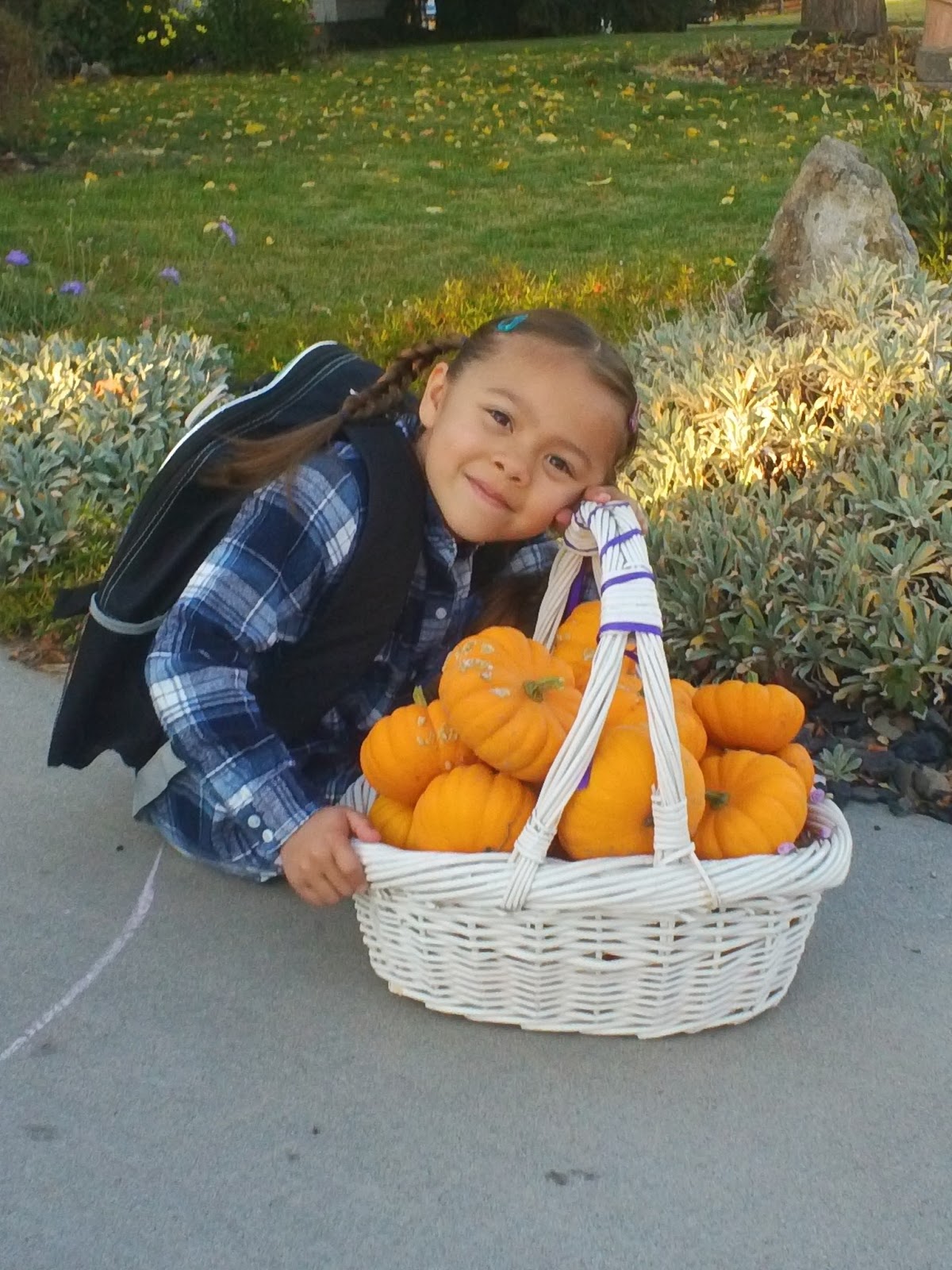
My girl has grown with my garden! She took these to share with her kindergarten class!


Sunday, February 3, 2013

Relationships are Tough- Even Gardening Ones

The greatest variable that any project will ever face is the group of people that work to make it happen.  Each person has a different idea about how the project will develop, how much time it will require of the individuals involved, and how personally invested they intend to become.  Next, add the production of food. This endeavor has as many approaches as the sun has rays.  The challenge of taking ten or more people and developing a workable plan when creating a community garden is not one to take lightly.  In this post I will look at some of the issues involved and try to give some enlightenment as to how each works in the garden.


  1. Land Wars- It is certain that you will have a finite amount of land to use for your project.  The decisions regarding how to divide and use the space will be of major importance.  Will the entire space be used as one large garden or will it be divided into individual plots.  How much land will be used for paths and utilities and how will these be maintained.  If there are individual plots will they be the same size, can an individual garden more than one plot? If it will be one large garden how much space will be given to each crop?  Who decides?
  2. He said, She said- If you have individual plots you set your self up for boundary disputes.  His weeds/plants are shading her tomatoes.  Her weeds/plants are encroaching on her plot. In a large garden you might face. She left the water on, he said he was going to get the cabbages weeded this weekend and look what happened!  Trust me communication is important!
  3. Disappearing Acts- Hey what ever happened to so and so?  Has anyone seen them?  Do you know if they went on vacation?  People will disappear during the growing season.  I don't know if they are abducted by aliens or simply overwhelmed by how much work it takes to bring a garden from planting to harvest.  Trust me they will disappear and they will probably not answer your phone calls! Your goal is to check in with everyone as often as possible, offer encouragement, and provide realistic expectations.
Through the five years that I have been doing this I have learned that our garden opperates most effectively as a cooperative community garden.  This means that we all help to tend one large garden and we share out the harvest.  If one person leaves we do not have a plot that is slowly reclaimed by weeds.  We post what jobs need to be done and individuals complete them and sign them off.  We meet monthly to discuss what needs to be done and answer questions.  Yes, people do leave and we miss them. However, because we work the garden as a group, when someone has vacation time it does not effect the overall operation of the garden.  We have come to know each other much more intimately because we must communicate to keep the garden running smoothly. In short by growing our garden this way we have built a community!
These are a group of wonderful volunteers that came out to help us harvest for the local food bank!

Tuesday, January 29, 2013

Trendy Gardening


The title of this post seems kind of strange to me.  How can gardening be trendy?  Is it the huge variety of different colored tomatoes?  Purple green beans and fantastically shaped squash that are featured on the front of your favorite seed catalog?  Is it the way that people are challenging norms by planting food in their front yards or efforts by some to grow in the most unlikely of places?  Any of these could be the source of gardening's new trendiness, but I think it all comes down to our new awareness of our foods locality and concerns about the genetic engineering of our food.

Today some stores list where produce was grown.  It is common for the organic section to be nearly as large as the traditionally grown fruits and vegetables.  The natural foods section takes up several isles and is easy to find.  It is apparent that we are all concerned about where our food is coming from and how it was grown.  We care and that in turn means that the market must be more transparent and provide us with the information we desire.

While traditional grocery stores, which have not really be around that long, are where most of us buy the bulk of our groceries there are other options.  The largest is the farmers market, where you can speak to the grower and learn about how your food was grown and exactly where it came from.  A local CSA (community supported agriculture) offers a personal relationship with a grower and a great variety of seasonal produce.  The backyard vegetable garden has seen a great resurgence as well.  If you are new to gardening consider joining a community garden where you can tap into a wealth of knowledge by quizzing your fellow gardeners.

The CSA option is wonderful in that you will be supporting a local farmer by buying a subscription.  This means that through the growing season a box of produce that is in season will be prepared for you.  You will not get to choose what goes into the box and you will likely need to pick it up from a central drop location.  Generally there is some savings in buying a subscription in comparison to buying the same produce from the farmers market.  The grower benefits by having the money at the beginning of the season when most of the expenses occur and having a ready market for what he produces with no middle man.

As your family comes to enjoy a greater range of produce and also begins to consume much more each week you may begin to eye your backyard.  A vegetable garden needs full sun.  There are some things you can grow in partial shade but you will miss out on the home grown tomato.  The easiest first garden in a raised bed.  It will warm up earlier in the spring and it will help contain your enthusiasm by limiting the size of your first garden.  The best way to learn to hate gardening is by starting too large and having it go from being a fun and fulfilling activity to a burdensome chore.

I believe that the best way to become trendy is to join your local community garden.  This offers all of the benefits of the other options, plus it provides a great opportunity to truly become part of your community.  By joining a community garden you will have a support system and a wealth of knowledge to tap into.  Gardeners love to share what they know and are truly encouraging to new members. Another benefit is that you will likely be able to have a larger garden with more variety.  With a community garden you will see produce grown that simply does not appear in the regular market.


In a community garden there are likely restrictions on what can be used on the garden and what can be grown there.  It does take a bit of compromise to make one work.  If you join the local community garden it will free up space in your own yard to grow something that you might not have had room for in the past.  Some gardens choose to grow only heirloom veggies and to save seed.  This provides a great opportunity for learning about seed saving and to develop varieties that are perfectly adapted to your area.  I encourage you to research the options in your area and develop a food web of your own.


For those of you who are attempting a 100 mile diet challenge you will find that a combination of many of these strategies makes your journey much simpler.  Few of us could grow all of our own food on our own.  But by employing your local farmers you will find that you are supporting your local economy and meeting a lot of fascinating people.  Meat, eggs, and dairy are all available in most locations but they may require some sleuthing on your part.  Unfortunately there are many restrictions on these foods.  Plan to pay a little more, but as you eat more produce you will most likely eat fewer meat centered meals.

Gardening can be trendy in many ways.  So go out and grow some purple potatoes and orange striped tomatoes!  Join the local CSA or your community garden.  It is important to know where your food comes from and what it took to grow it.  Meet the people in your community who dedicate their lives to producing healthy fresh produce and humanely produce meat and eggs.  Learn all you can and put your dollar to work to improve your quality of life and the health of your local environment.  Get Growing!

Tuesday, January 15, 2013

Planning Your Garden Space

Now that you have a group of people who all are interested in creating a community garden it is time to develop your vision!  The best place to do this is on paper.  Remember you will need access to the garden, this means pathways that are wide enough to travel but not so wide that they invite weed growth.  It is best for beds to be no more than four feet across so that you can weed them without walking in them and compacting the soil.  It will save you a lot of time if you use your water access to develop a drip watering system.  So your paper plan needs to include your water source, your beds, and your pathways.


Things to consider include: how many people will be gardening, will everyone have their own bed or will you garden together, and will you be using a rototiller or tilling by hand.  I have found that individual beds are the most popular solution.  However, in practical experience I have found that new gardeners can be overwhelmed easily with this method.  Our garden uses the communal method with a greater sense of community and better production.  

With the communal method you will have to decide how to split up the harvest.  In our experience this is not much of a problem once the garden comes into full production, early in the season though you need a way to determine who gets that first ripe tomato!  The lottery method where every one's name is drawn and they get to choose what they want works well.  Most people try to be very fair about what they take home.

Once you have decided how to lay out your garden it is time to decide what to plant.  Keep in mind that you will only need one summer squash plant per family but might want three tomato plants per family.  It is better to over plant and have excess produce that you can donate than to find you did not plant enough to satisfy the groups appetite.  You will likely pick up a few new members late in the season and it is nice to be able to welcome them knowing that you planted enough so that no one feels that they are missing out on something.


You may decide that as a group you would like to focus on heirloom or non-hybrid types of vegetables.  This will allow you to save seed for the future.  If you decide to try seed saving remember that many things will cross pollinate.  You need to plant just one variety or have sufficient space between them.  I would suggest that you save seeds from self pollinating varieties and enjoy growing a wide variety.  One of the joys of community gardening is growing varieties that you cannot find in your local grocer.

The Seed Savers Exchange and Baker Creek Heirloom Seeds are both excellent seed catalogs.  They will mail them out to you for free and it is a great way to find some really fun vegetables to grow.  The customer service representatives are wonderful at helping you determine if a variety will do well in your area.  Have fun with this part, try something you would not usually buy at the store, half the fun of gardening is in trying something new!